Slow Travel in Europe: A Week Without a Plane
Fewer places, deeper days: how to build a one-week train trip that feels like a holiday instead of a checklist.
Slow travel is not about moving slowly — it is about moving less and noticing more. Three towns for a week beat seven cities in seven days, and the train is what makes the rhythm work: no airports eat your Tuesday, no boarding passes eat your morning.
This guide shows you how to plan a one-week, flight-free trip with a comfortable pace: a sensible corridor, three-night stays, market mornings and journeys short enough to enjoy. Then it walks through a worked example you can copy or adapt.
What slow travel actually means
It is a planning style, not a philosophy exam: fewer bases, longer stays, surface transport, and days shaped by the place instead of a schedule. You still move — but every move earns its place. The test is simple: if a transfer consumes the best hours of a day, the plan is too fast.
Why one week by train beats two weekends flying
Two flying weekends give you four half-days ruined by airports. One rail week gives you seven full days where the journey itself is sightseeing. Count the real hours on the ground — the train almost always wins once you add transfer times, early alarms and baggage rules.
Pick a corridor, not a checklist
Choose two or three cities that sit within 1–4 hours of each other on the same line, and ignore everything else “nearby”. A corridor like Paris → Tours, Lyon → Avignon → Barcelona or Vienna → Graz keeps journeys short and gives each base enough depth for three nights.
Set the rhythm: three nights minimum
Three nights per base is the slow-travel sweet spot: one arrival day, one full day, one flexible day. Shop at the market, find your café, learn the tram line. By day three the barista knows your order — that is the moment flying-week itineraries would already be dragging you to the next airport.
The train day is a feature, not a transfer
Pick scenic segments where the ride is part of the plan: the Rhine gorge, the Gotthard line, the Côte d’Azur coast, the Semmering. A two-hour ride with a window seat, a coffee and a guidebook chapter is a morning well spent, not time lost.
Slow is cheaper, quietly
Fewer bases mean fewer booking fees and fewer premium-price nights; apartments beat hotels for a three-night stay; regional trains cost a fraction of the flights you are not taking. Slow travel also trades expensive attractions for free ones: neighbourhoods, markets, swimming, walking.
A worked week you can copy
The table below is a real one-week corridor in France and Spain with rail all the way: two bases, one culinary capital, one papal town, one sea finish. Copy it as-is, or swap the corridor for Lyon → Turin → Milan when you want an Alpine version.
Don’t miss
Long lunch in Lyon
Arrive by 10:00, eat at a bouchon at 12:30, walk the traboules of Vieux Lyon in the afternoon — day one, no rush.
Avignon and the wine villages
Use the papal town as a base; TER trains hop to Châteauneuf-du-Pape country in 20 minutes for tastings without a car.
Girona before Barcelona
A two-hour stop on the corridor: medieval walls, the river houses, and the best breakfast of the week.
A Mediterranean afternoon with no return flight
Barcelona feels different when nobody has to be at the airport — the beach is simply part of Tuesday.
The night train home
Finish with a sleeper north: dinner, bed, and a morning in your origin city with the whole day still ahead.
A sample slow week: Paris → Lyon → Avignon → Barcelona
| Day | Base | The plan |
|---|---|---|
| 1 | Lyon | TGV from Paris (2h). Old town, traboules, bouchon dinner |
| 2 | Lyon | Markets and silk district; crossing to Fourvière at sunset |
| 3 | Avignon | One-hour ride; Palais des Papes, riverside evening |
| 4 | Avignon | Wine villages by TER; long Provençal lunch |
| 5 | Barcelona | Corridor south via Girona (≈4h); seafront walk |
| 6 | Barcelona | Slow day: market breakfast, beach, vermouth hour |
| 7 | — | TGV home — or extend: the corridor continues to Valencia |
Practical tips
- ✓ Three nights per base minimum — two only if the towns are tiny
- ✓ Book apartments over hotels for stays of three nights or more
- ✓ Regional trains are half the experience: hop off at one extra town each trip
- ✓ Plan one anchor activity per day, and let the rest happen
- ✓ Travel light: one cabin bag makes every spontaneous stop possible
- ✓ Shop where locals shop — markets beat attractions for a sense of place
FAQ
Is slow travel boring?
It is the opposite: boredom usually comes from logistics fatigue, not from staying put. With a base you skip the packing and navigating and get straight to the living. Most first-timers report the week feeling longer, not shorter.
Does it work with children?
It is the best mode for families: no airports, room to move on trains, and repetition (same bed, same café) which children love. Short rides under two hours keep everyone friendly.
Is it more expensive?
Usually less. Fewer hotel changes, apartment pricing, regional fares and no baggage fees. The premium is time — which is the point.
How many cities for one week?
Two to three. Our Paris → Lyon → Avignon → Barcelona corridor uses three bases in seven days and still feels unhurried; four would be a fast itinerary, not a slow one.
Keep reading
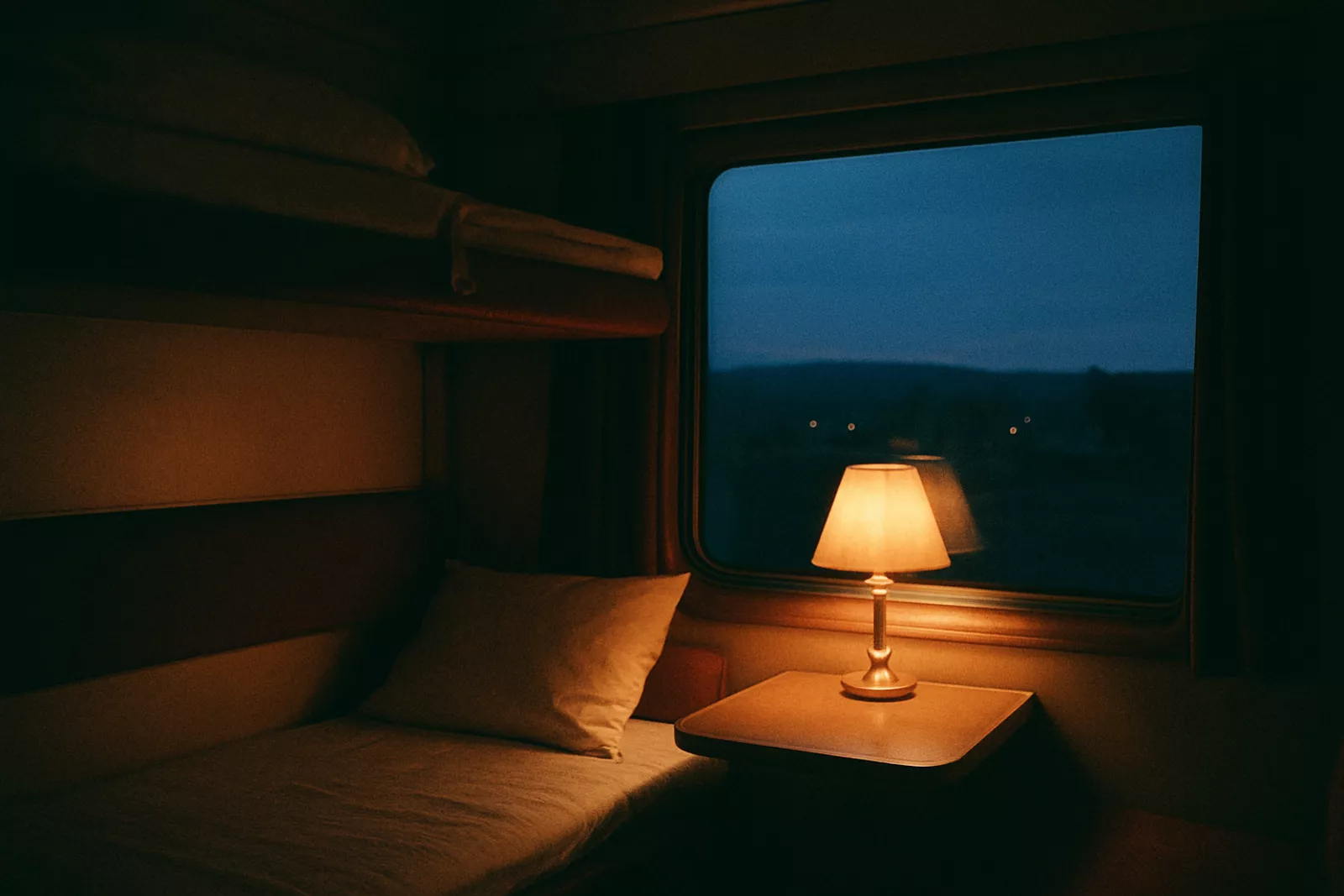
Night Trains in Europe: The 2026 Guide
Europe’s sleeper revival explained: the networks, the ticket classes, what the journey is really like, and the six routes worth booking first.

Interrail vs Point-to-Point: When the Pass Wins
The honest maths behind Europe’s rail pass: where it saves money, where single tickets win, and how to decide in ten minutes.

Train vs Plane: The Real CO₂ Numbers
How much greener is rail, really? The figures, the methodology, the honest caveats — and the five swaps that save the most.
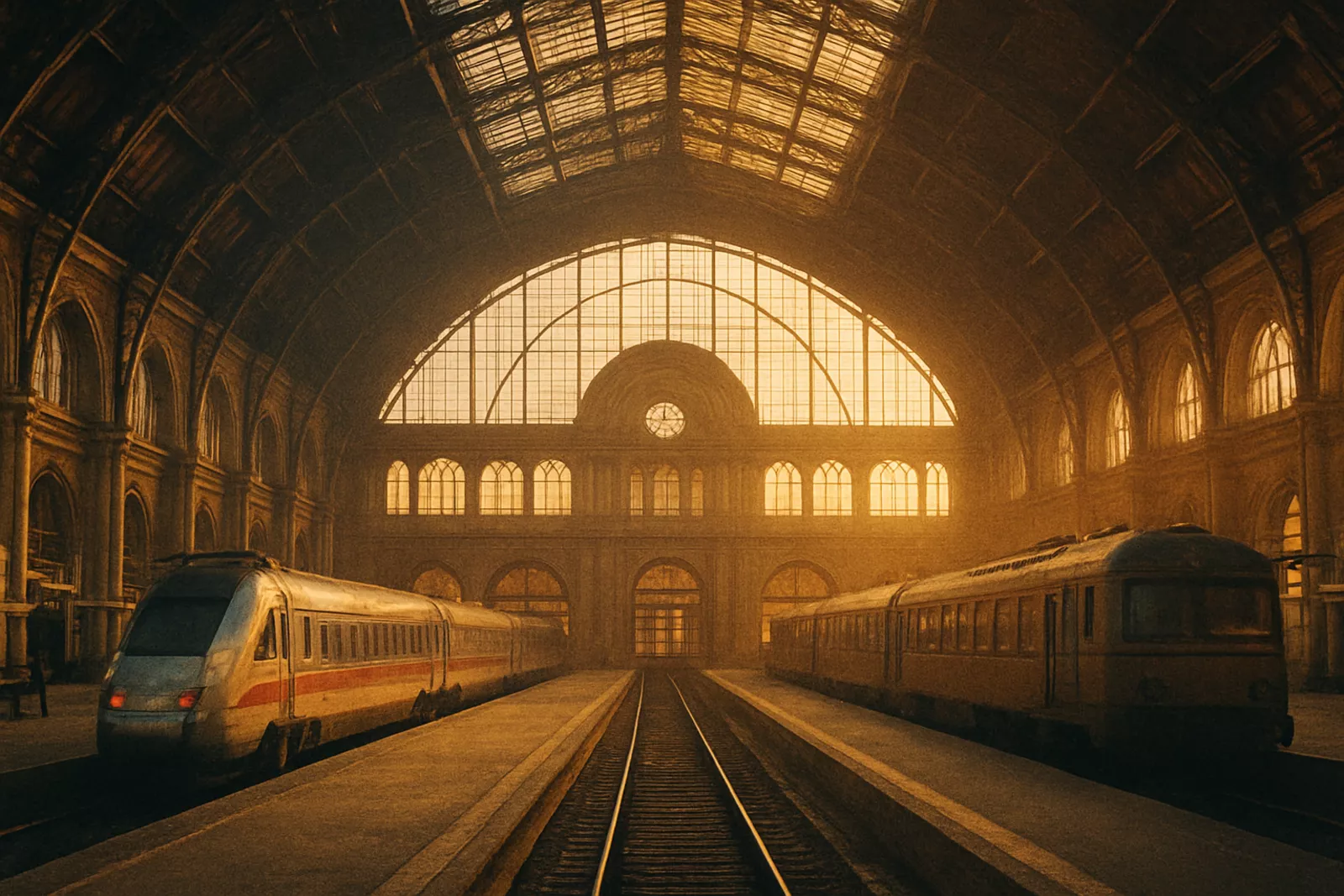
Travel Europe Without Flying: Trains, Buses, Ferries & Night Trains
Trains, buses, ferries and night trains connect every corner of Europe — here is how to plan trips that never touch an airport, whatever your reason for skipping planes.