Night Trains in Europe: The 2026 Guide
Europe’s sleeper revival explained: the networks, the ticket classes, what the journey is really like, and the six routes worth booking first.
Europe’s night trains are having their biggest revival in decades. New routes have opened, old rolling stock is being replaced, and the maths has quietly flipped: on many corridors, a sleeper now costs less than the flight plus the hotel night it replaces.
This guide explains how the network works in 2026 — who runs what, which ticket class to pick, what the journey actually feels like — and finishes with the six routes we would book first, plus the practical tips that make the difference between a rough night and a great one.
Why night trains are back
Budget flying stopped being cheap: airport transfers, baggage fees and 5 a.m. starts add up, and airlines have cut domestic routes across France, Germany and Austria. Governments noticed — Austria invested in the Nightjet network, France brought back sleeper-couchette trains, and start-ups joined in. The result: more than 20 cross-border night services now link over 50 European cities.
The networks you should know
ÖBB Nightjet is the backbone, with hub connections in Vienna and Munich and routes from Paris, Amsterdam, Brussels, Zurich and Rome. European Sleeper runs Brussels–Berlin–Prague with a growing weekend following. SJ links Stockholm with Berlin, Snälltåget covers Sweden–Denmark–Germany in summer, and the Caledonian Sleeper carries Londoners into the Scottish Highlands.
Seat, couchette or sleeper?
Three ways to sleep on rails. A reclining seat is the budget pick (€19–39) — fine for 6 hours, tough for 12. A couchette is a shared compartment with 4 or 6 berths (€39–69) and the sweet spot for most travellers. A sleeper has real beds: 1–2 berth compartments with washbasin from €69–129, and deluxe versions add a shower and breakfast.
What the journey is really like
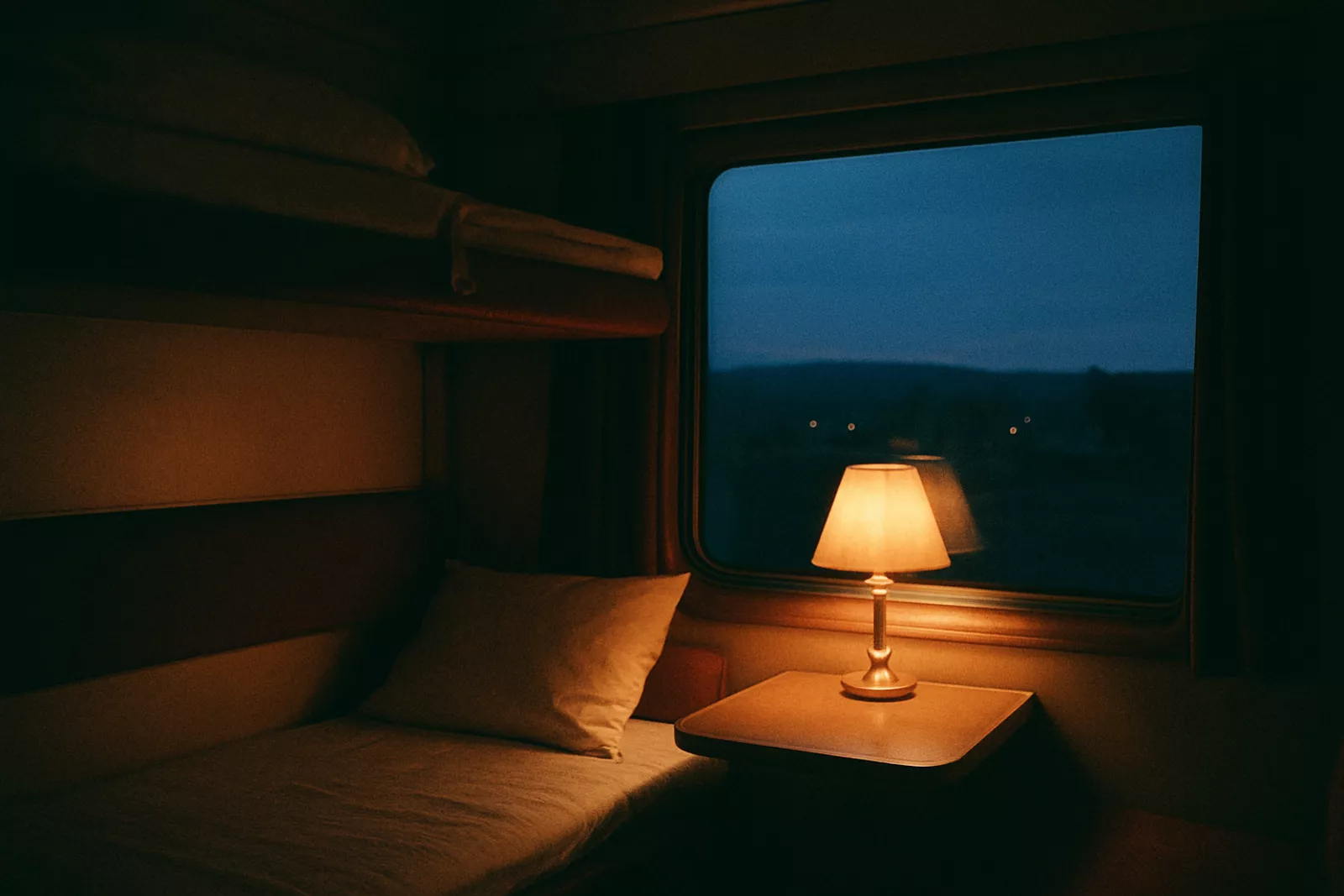
You board between 18:00 and 23:00, passport checks happen on board at the border, and most trains settle into darkness by midnight. Newer Nightjet carriages have a bar and light dinner service; older ones take breakfast orders the night before. Lights-out is real — pack earplugs and an eye mask, and you will understand why veteran sleeper travellers swear by them.
How to book and save
Book direct with the operator: nightjet.com releases tickets up to 6 months ahead, European Sleeper and SJ open sales earlier. Early-bird couchette fares start around €29–49. With an Interrail pass you pay only the reservation (€13 couchette, €30–60 sleeper) — often the smartest way to use a pass day.
Packing and practicalities
Bring a refillable bottle (there are no taps on board), a power bank — sockets vary by coach age — and small notes for the café car. Luggage has no formal limit but space is finite: a cabin-size bag per person is comfortable. Bikes travel on most night trains for about €12, a few with compulsory reservation.
Delays, safety and peace of mind
Compartments lock from the inside, attendants patrol through the night, and EU rail passenger rights cover you: over 60 minutes of delay you are owed 25% of the fare, over 120 minutes 50%, and the operator must rebook you on the next reasonable service. Night trains are statistically among the safest ways to travel.
Don’t miss
Paris → Vienna by Nightjet
Dinner at a Paris bistro, breakfast as the train rolls past the Wachau valley. The flagship of the revival, from about €49 in a couchette.
Amsterdam → Zurich, Rhine at sunset
The 19:00 departure follows the Rhine gorge in golden hour before you sleep — and you wake up in the Alps.
Berlin → Prague with European Sleeper
The weekender’s favourite: boarding breakfast, city-centre arrivals, and a bar car with opinions.
Munich → Rome over the Brenner
Dawn over the Brenner pass, espresso in Rome by 09:00 — no airport queues, no 4 a.m. taxi.
Stockholm → Berlin by SJ
The Baltic route includes a sea crossing: sleep through Sweden, catch the sunrise on the ferry deck.
The six night trains we would book first (2026)
| Route | Operator | Journey time | From |
|---|---|---|---|
| Paris → Vienna | Nightjet | ≈14h | €49 |
| Amsterdam → Zurich | Nightjet | ≈11h | €49 |
| Munich → Rome | Nightjet | ≈12h 30 | €59 |
| Brussels → Berlin | European Sleeper | ≈11h | €49 |
| Stockholm → Berlin | SJ | ≈16h | €45 |
| London → Fort William | Caledonian Sleeper | ≈13h | £55 |
Practical tips
- ✓ Lower berths sell first — book early or take an upper berth for less
- ✓ Earplugs and an eye mask turn a good night into a great one
- ✓ Bring a refillable bottle; there is no drinking water tap on most coaches
- ✓ Family compartments (5 berths) are cheaper than two doubles
- ✓ Bikes travel on most night trains for about €12
- ✓ Arriving at 08:00–09:00 saves a hotel night — plan a luggage-free morning
FAQ
Are night trains safe?
Yes. Compartments lock from inside, staff patrol the corridors, and Schengen border checks happen on board without you leaving the train. Keep valuables with you as you would anywhere.
Do sleeper trains have showers?
Deluxe sleeper classes on Nightjet include a shower; standard sleepers have a washbasin. Every train has toilets at the end of each coach, and newer carriages add accessible facilities.
What happens if my night train is cancelled?
The operator must rebook you on the next reasonable service, and EU passenger rights apply: 25% compensation over 60 minutes of delay, 50% over 120 minutes.
Can I travel with children?
Night trains are excellent with kids: family couchette compartments (5 berths) cost less than two doubles, children under 6 often travel free, and everyone arrives rested.
Keep reading
Interrail vs Point-to-Point: When the Pass Wins
The honest maths behind Europe’s rail pass: where it saves money, where single tickets win, and how to decide in ten minutes.
Train vs Plane: The Real CO₂ Numbers
How much greener is rail, really? The figures, the methodology, the honest caveats — and the five swaps that save the most.
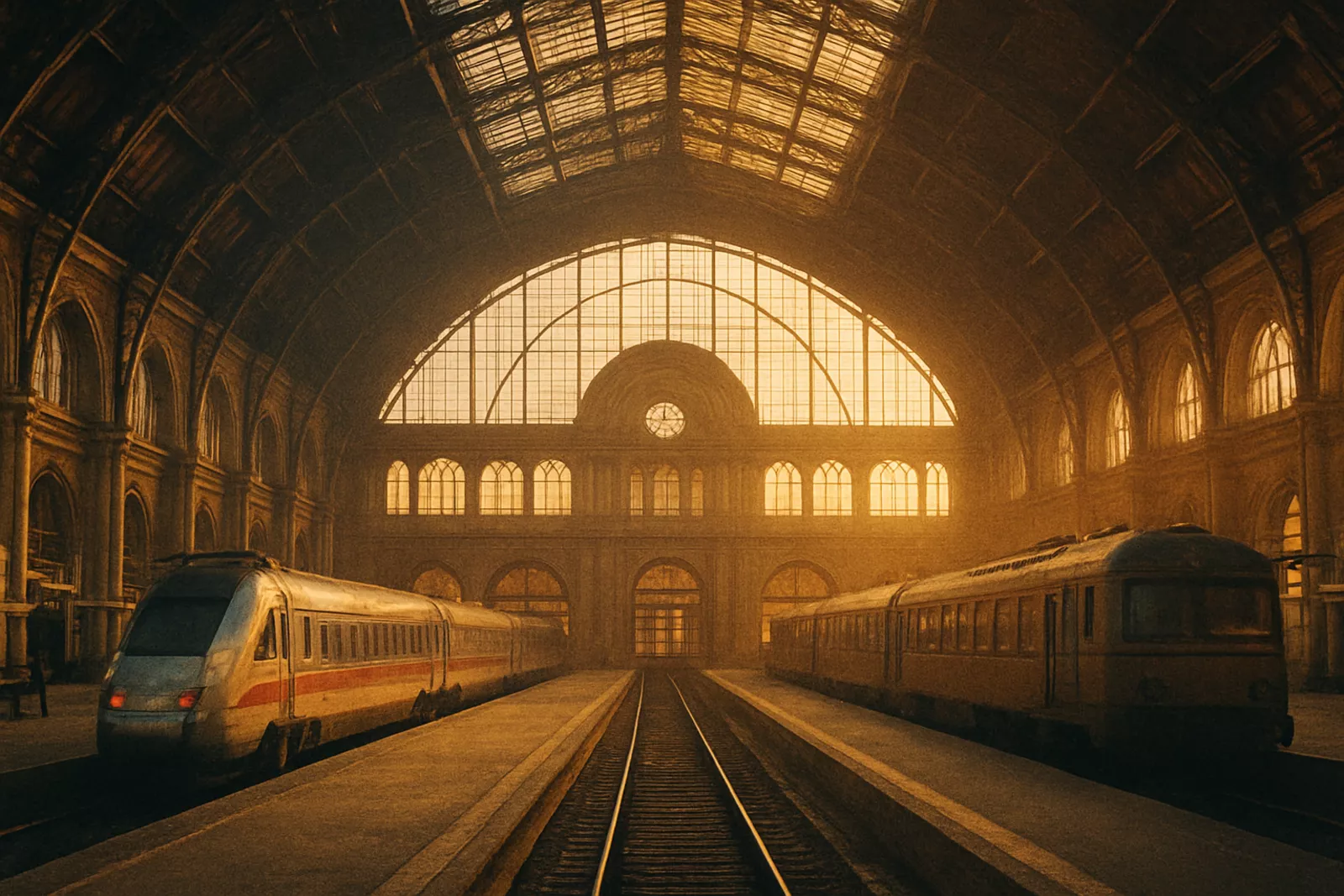
Travel Europe Without Flying: Trains, Buses, Ferries & Night Trains
Trains, buses, ferries and night trains connect every corner of Europe — here is how to plan trips that never touch an airport, whatever your reason for skipping planes.
Slow Travel in Europe: A Week Without a Plane
Fewer places, deeper days: how to build a one-week train trip that feels like a holiday instead of a checklist.